
SpaceX wins $4.16B Space Force contract to detect airborne moving targets
"While this OTA agreement establishes initial SB-AMTI capability, the Space Force anticipates issuing multiple awards in the coming year ," the service said today.
"While this OTA agreement establishes initial SB-AMTI capability, the Space Force anticipates issuing multiple awards in the coming year ," the service said today.

NATO’s Supreme Allied Commander Transformation (ACT) Adm. Pierre Vandier told Breaking Defense that lessons from the Ukraine war and the Iran conflict are driving an air surveillance reframe.

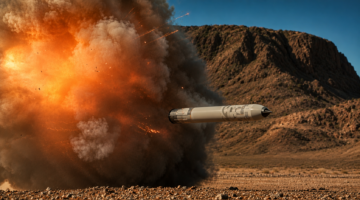
The goal of such weaponization is to tie warfighter needs to the RDT&E cycle.
Gen. Chance Saltzman, Space Force chief, said the work already done to design a satellite system for tracking ground targets should also help speed AMTI capabilities to orbit.

Space-based capabilities could put current aerial tracking platforms in question, but top military brass have argued for options "from whatever domain or platform or system that comes [in]."
One of the key challenges for tracking enemy aircraft from space is that airplanes and drones move much faster than tanks, trucks and ships; confounded by the fact that satellites themselves also move around the Earth extremely fast.

Under the Science and Technology Applied RF Systems program, estimated to cost a total of nearly $95 million over six years, AFRL is looking to award up to three indefinite delivery, indefinite quantity contracts.


Decentralized Embodied Collaborative intelligence enables better reconnaissance, logistics and combat capabilities.
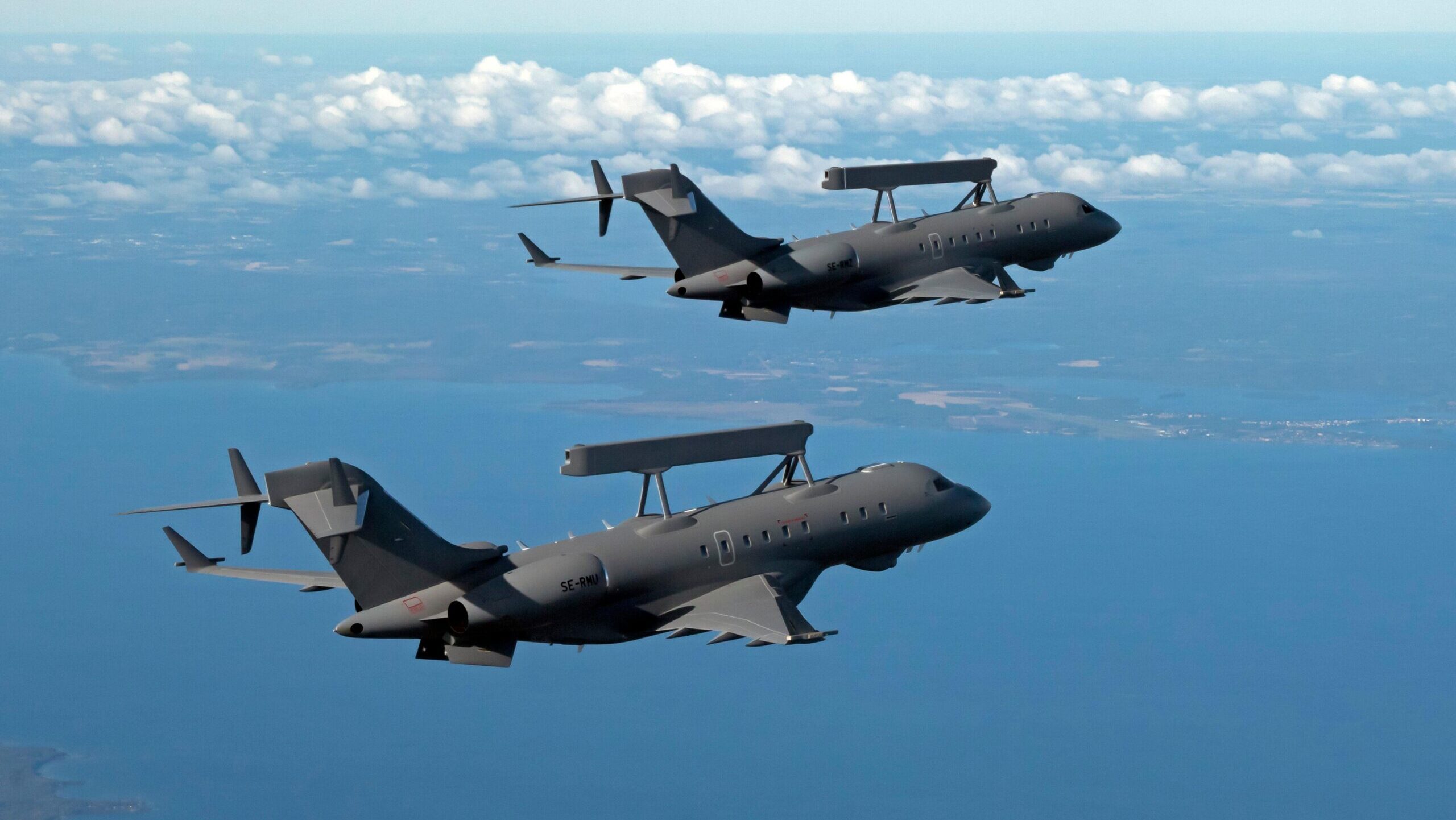
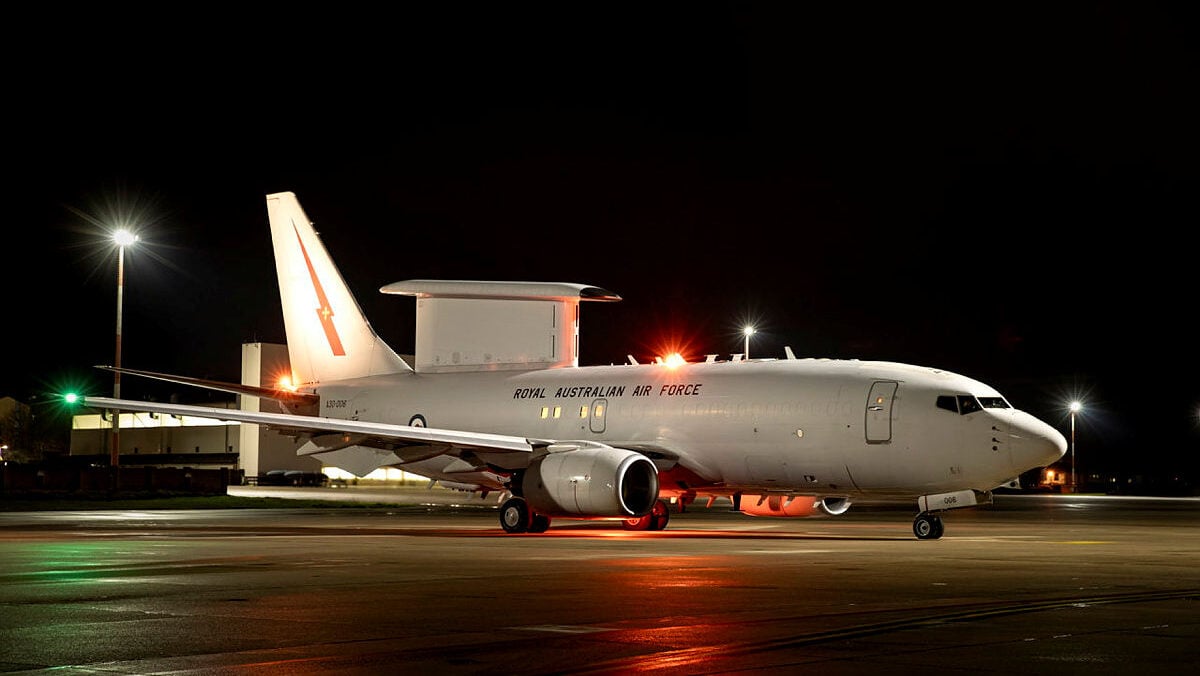
“We were asked to put in our offer and then they [the NATO Support and Procurement Agency] didn't really go into discussion with us, because they had already decided they had to go and buy Wedgetail," Micael Johansson, CEO at Saab told Breaking Defense.
As Breaking Defense toured Boeing's Seattle area facilities where the E-7 radar plane will take shape, company officials talked about getting the bird in the air — and their vision for what it can do.
The Air Force previously provided notice it would award the contract to Boeing in a sole-source acquisition. The first aircraft is scheduled to arrive in fiscal 2027.

“That new start reprogramming would give us the flexibility to potentially speed it up somewhat,” said Steven Wert, who leads the Air Force's Program Executive Office Digital. “It's not going to be a dramatic speed up, but we're doing everything we can.”

APKWS® laser‑guidance kit provides reliable precision‑guided munitions across missions and platforms, delivered quickly to meet evolving operational demands.

Congress is worried about creating a capability gap – but FDD’s Bradley Bowman and Maj. Brian Leitzke write that it already exists. Time and money, they say, would be better spent racing towards the E-3's replacement.
The Air Force can't wait when it comes to modernizing command and control, writes the Mitchell Institute's Douglas Birkey.

"Getting the airplanes is about a two-year process, and then modifying them is another two year process," Air Force Secretary Frank Kendall said Tuesday. "There are things that we could do, however, to maybe get access to aircraft earlier one way or another.”
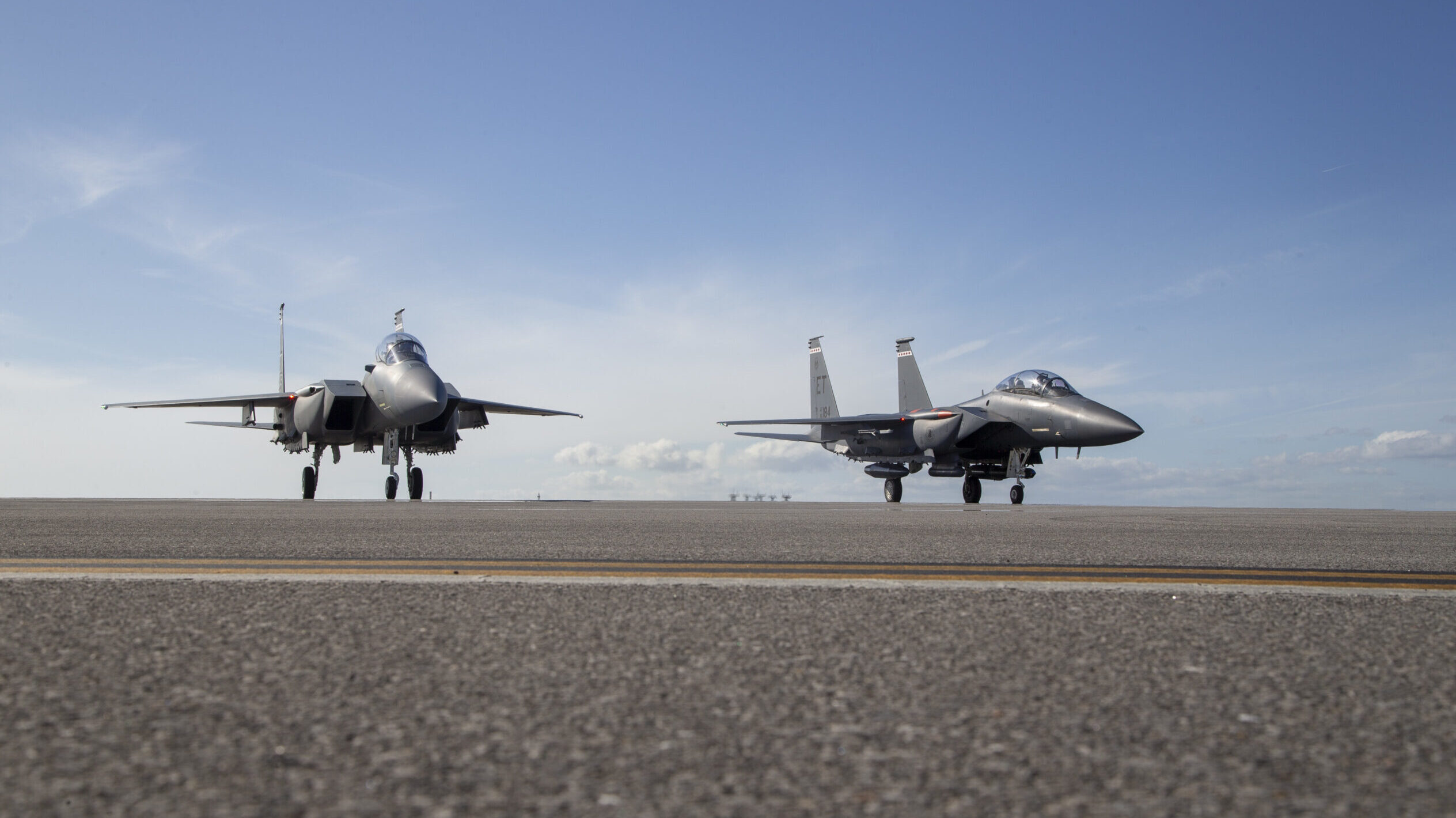
According to two sources with knowledge of the matter, Air Force Secretary Frank Kendall had tasked the service’s budget corps to consider cancelling the F-15EX. Instead, it will receive a plus-up in the FY23 request.